Zhengzhou, Henan Province, China
Now Contact: Do you need PU/EPS/Rock Wool sandwich panels?
Zhengzhou, Henan Province, China
Now Contact: Do you need PU/EPS/Rock Wool sandwich panels?
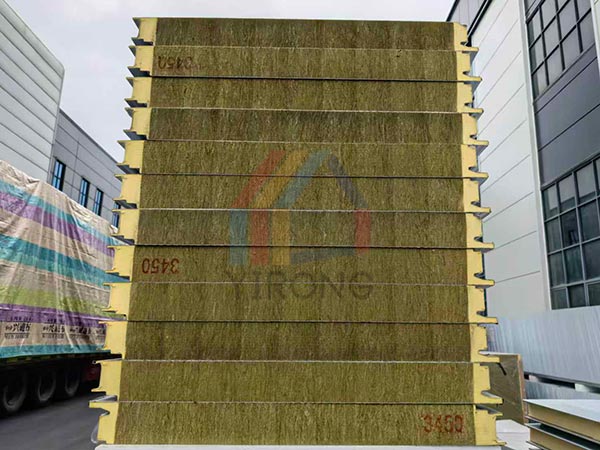
Under normal maintenance and proper material selection, high-quality metal sandwich panels typically have a lifespan of 30 to 50 years. If advanced coating technologies (such as PVDF or high-weather-resistant polyester) are used, their aesthetics and structural integrity can be maintained even longer.
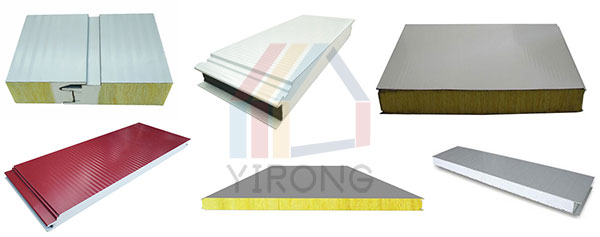
Why do some projects with metal sandwich panel remain like new after ten years, while others show signs of rust? This mainly depends on the following three core dimensions:
The lifespan of metal sandwich panels primarily depends on the anti-corrosion treatment of the outer color-coated steel plate.
PE (Polyester): Economical, lifespan approximately 10-15 years, suitable for ordinary environments.
HDP (High-Weather-Resistant Polyester): Offers better UV resistance, lifespan up to 15-25 years.
PVDF (Fluorocarbon): Top choice, with extremely strong chemical stability and color retention, lifespan typically exceeding 25 years, especially suitable for areas with strong UV radiation or high pollution levels.
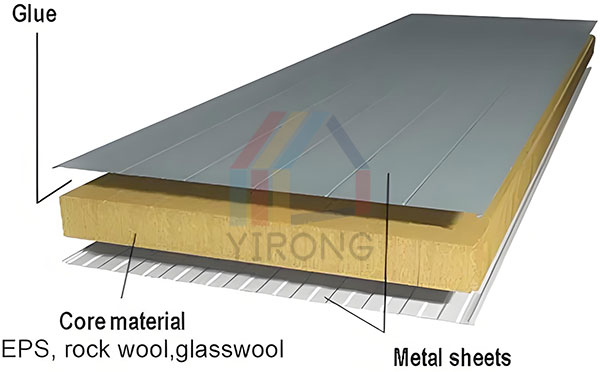
Different core materials (core layers) affect lifespan differently:
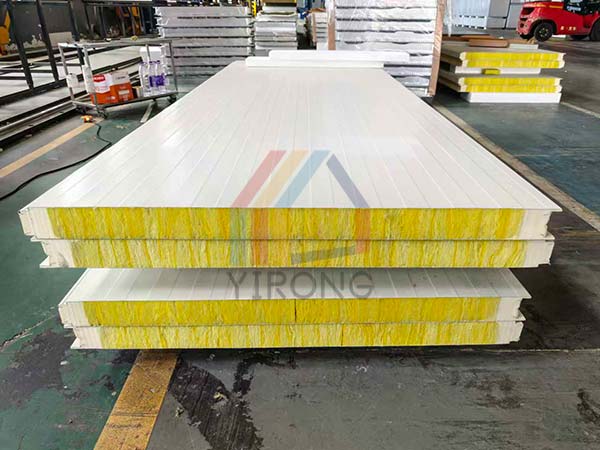
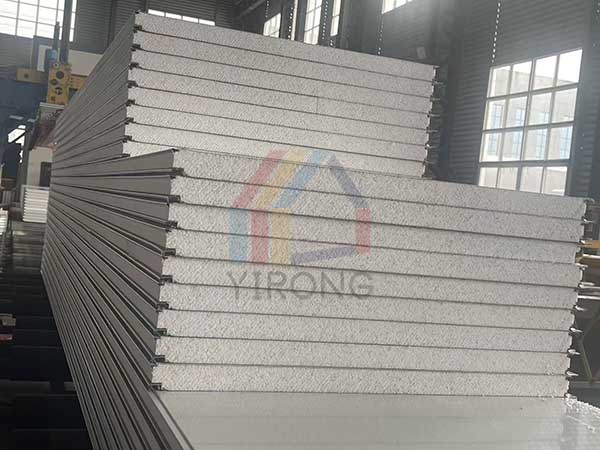
Rock wool/glass wool: As inorganic materials, they do not age, but are extremely susceptible to water damage. If the joint seals fail, leading to water ingress, rock wool will become damp, heavier, and lose its insulation properties.
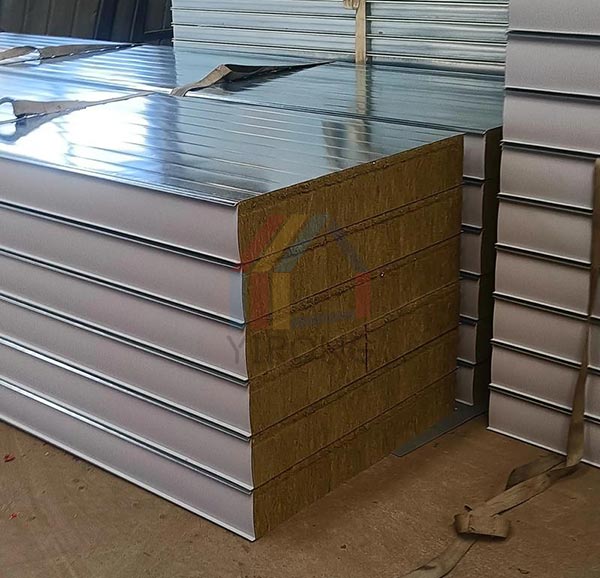
Rock Wool Core Panels
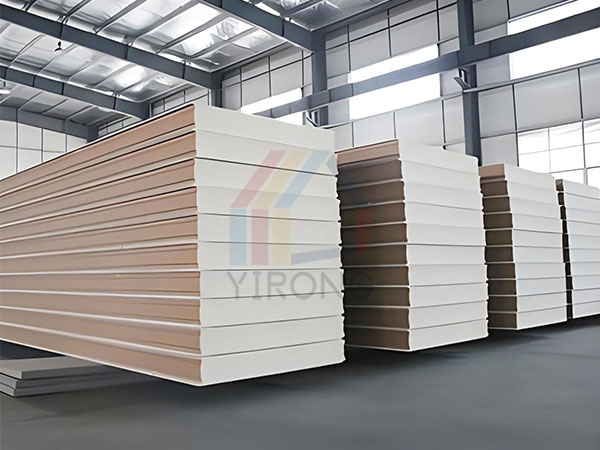
PU/PIR: These have a closed-cell structure and excellent waterproof and moisture-proof properties. Their physical properties can remain stable for decades as long as they are not exposed to UV radiation for extended periods.
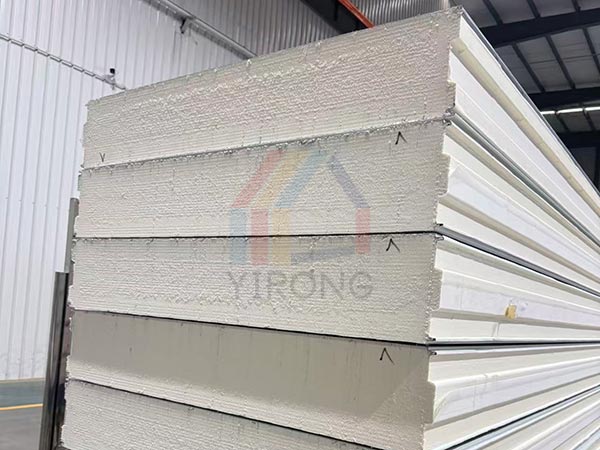
PU/PIR Core Panels
Coastal areas: High salt spray environments accelerate metal oxidation. In such environments, steel sheets with high zinc coatings (e.g., 275g/m²) or aluminum-zinc-magnesium coatings must be used.
Industrial corrosion: Acid rain or chemical emissions can corrode the coating.
UV intensity: In high-UV regions like Chile, Mexico, or Australia, the coating's resistance to chalking is extremely important.
From practical experience in the construction industry, the key to extending the lifespan of sandwich panels lies in a systematic approach rather than using a single material.
Scientific Design Solution
Slope drainage must be considered from the initial design stage. Water accumulation is a major cause of corrosion. A proper roof slope ensures rapid rainwater drainage and reduces moisture retention in the gutters.
Professional Installation Process
Avoid on-site cutting: Prefabricate to size in the factory whenever possible. Sparks from on-site cutting machines can damage the coating, creating hidden rust problems.
Sealing Treatment: Use high-quality butyl tape and sealant to treat joints, preventing moisture penetration into the core material.
Regular Maintenance
A routine inspection is recommended every 1-2 years:
Clean away dead leaves and debris from the gutters.
Inspect the sealing gaskets of fasteners (bolts) for aging and replace them if necessary.
In Yirong Group's global projects, we consistently adhere to:
Strictly Selected Substrate: Use only high-zinc, high-weather-resistant color-coated coils from major manufacturers to ensure a robust outer shell.
Leading Technology: We recommend polyurethane-sealed rock wool panels. PU edge sealing completely isolates rock wool from moisture erosion, perfectly combining Class A fire resistance with an ultra-long lifespan.
Full Lifecycle Consultation: Whether you are in Peru, the United States, or the Philippines, our engineers will recommend the most cost-effective coating and thickness solution based on your local meteorological data.

High-quality metal sandwich panels are not only for immediate construction speed, but also for low maintenance costs and asset appreciation over the next 30-50 years.