Zhengzhou, Henan Province, China
Now Contact: Do you need PU/EPS/Rock Wool sandwich panels?
Zhengzhou, Henan Province, China
Now Contact: Do you need PU/EPS/Rock Wool sandwich panels?
In the design of building envelope systems for modern industrial plants, cold chain logistics facilities, and public buildings, the fire resistance rating of the sandwich panel core material directly determines the fire risk index of the entire building. From ordinary EPS/PUR, which is highly susceptible to the spread of fire, to PIR (Class B1), which combines high thermal insulation and flame retardant properties, and finally to rock wool (Class A), which is completely physically non-combustible, a thorough analysis of the combustion performance and molecular characteristics of different core materials is a core prerequisite for building owners and contractors to achieve safe construction.
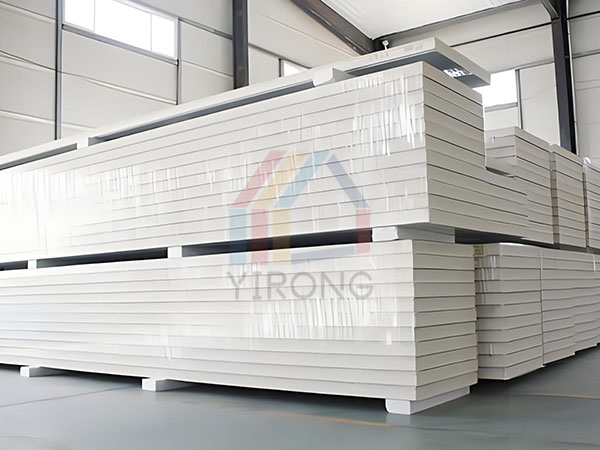
In recent years, numerous fires in industrial plants and large-span warehouses worldwide caused by the illegal use of low-quality, flammable sandwich panels have prompted insurance institutions (such as FM Global) and regulatory authorities in various countries to significantly tighten fire resistance standards for building envelope materials.
Traditional EPS (polystyrene) and ordinary PUR (polyurethane), due to their organic polymer properties, are highly susceptible to rapid pyrolysis, melting, and dripping in fires, releasing large amounts of toxic smoke and causing flashover. The modern construction industry is undergoing a comprehensive transition to B1 (flame-retardant) and A (non-combustible) high-grade fire-resistant core materials.
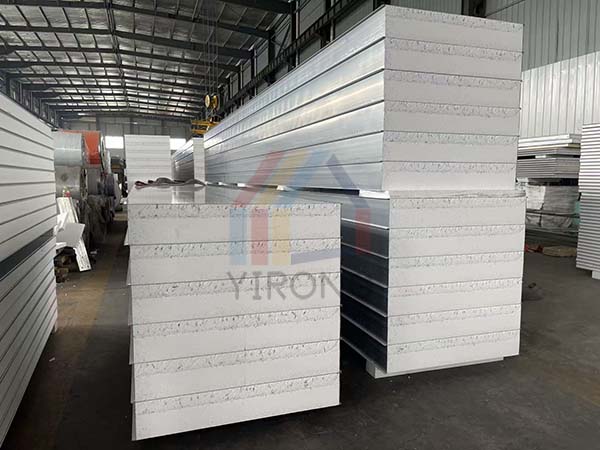
Based on international and Chinese general fire protection standards (GB 8624 / EN 13501-1 / ASTM E84), the four main sandwich panel core materials commonly used in industrial buildings exhibit fundamental differences in fire resistance and comprehensive mechanical properties:
| Core Material | Fire Rating (GB 8624) | Combustion Characteristics & Flame Performance | Thermal Conductivity (W/m⋅K) | Core Applications & Industry Recommendations |
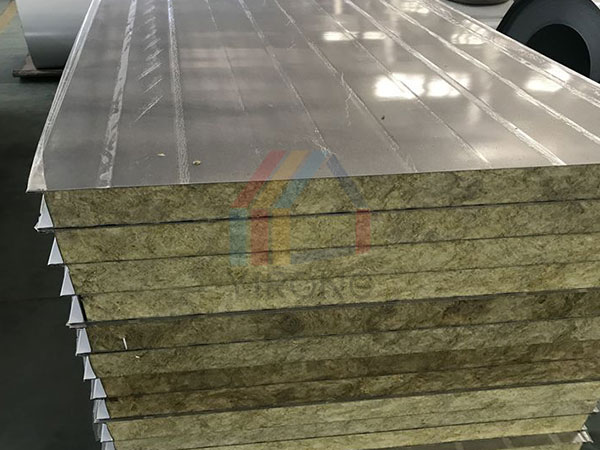
| Rock Wool (Stone Wool) | Class A (Non-combustible) | Natural inorganic mineral, melting point >1000℃, no open flame, no dense smoke, no molten dripping. | 0.038 – 0.045 | Firewalls, high-hazard workshops (e.g., chemical/spraying/battery plants), and high-occupancy facilities. |
| PIR (Polyisocyanurate) | Class B1 (Flame-retardant / FM Approved) | Self-extinguishing upon removal of flame; rapidly forms a dense protective char layer on the surface to block deep flame penetration. | 0.020 – 0.023 | High-end industrial plants, cold-chain logistics, and high-efficiency cold storage (perfect balance of insulation and fire safety). |
| PUR / PU (Polyurethane) | Class B2 / B3 (Combustible / Flammable) | Burns rapidly upon fire exposure, producing dense smoke and burning droplets. | 0.024 – 0.026 | Traditional basic cold storage (being rapidly and completely replaced by PIR). |
| EPS / XPS (Expanded / Extruded Polystyrene) | Class B2 / B3 (Flammable) | Extremely flammable; instantly shrinks, melts, and drips severely under high temperatures. | 0.035 – 0.040 | Temporary structures and low-budget simple enclosures (strictly restricted in use). |
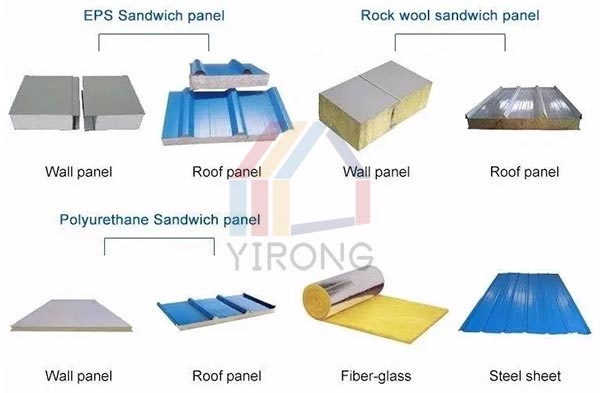
Molecular and Physical Structure: Made primarily from natural minerals such as basalt, melted at high temperatures and then spun into inorganic fibers by high-speed centrifugal equipment.
Fire Resistance Mechanism: Due to its purely inorganic properties, rock wool naturally possesses a physical barrier with a melting point greater than 1000℃. In the event of a fire, it not only does not burn itself, but also effectively blocks heat transfer to the other side of the building, providing 1-4 hours of precious fire resistance time for evacuation and firefighting.
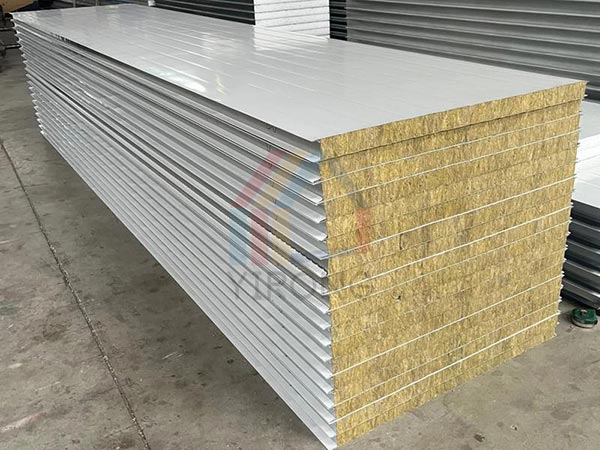
Chemical Breakthrough: PIR introduces a highly thermally stable triazine ring structure into the molecular backbone by increasing the reactivity index of isocyanate.
Fire Resistance Mechanism: When exposed to flames or high temperatures, the surface of PIR instantly undergoes thermosetting carbonization, forming an extremely hard and dense inorganic carbonized protective layer. This carbonized layer can prevent oxygen penetration and heat infiltration, achieving self-extinguishing upon removal of the flame and completely eliminating the fatal hazard of secondary ignition from molten dripping of traditional organic foam materials.
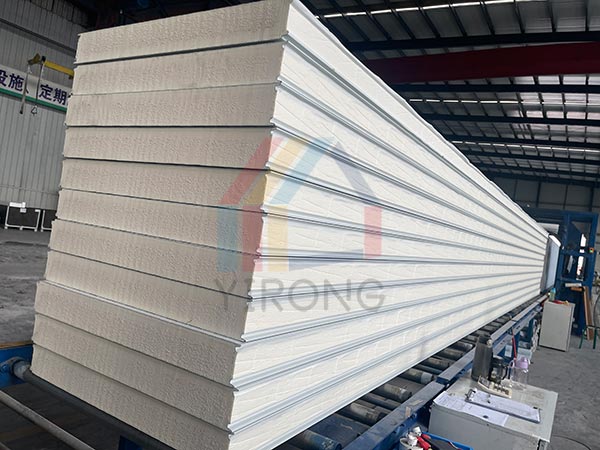
As a manufacturer and exporter specializing in prefabricated steel structures and industrial building envelope systems worldwide, Yirong Group is committed to providing global customers with rigorously certified, high-quality fireproof sandwich panels and one-stop delivery solutions:
Automated Continuous Production Line: Yirong Group possesses industry-leading automated continuous foaming and rock wool composite production lines, ensuring uniform foam density and 100% adhesive strength, eliminating internal voids and delamination risks.
PU/PIR Edge-Sealed Rock Wool Composite Panels: For high-standard fireproof factories, Yirong offers innovative tongue-and-groove PU/PIR edge-sealed rock wool panels. Achieving Class A fire resistance through the rock wool center, while the PU/PIR edge sealing on both sides enhances tongue-and-groove strength and waterproof/airtightness, perfectly solving the pain points of traditional rock wool panels such as easy water absorption and edge damage.
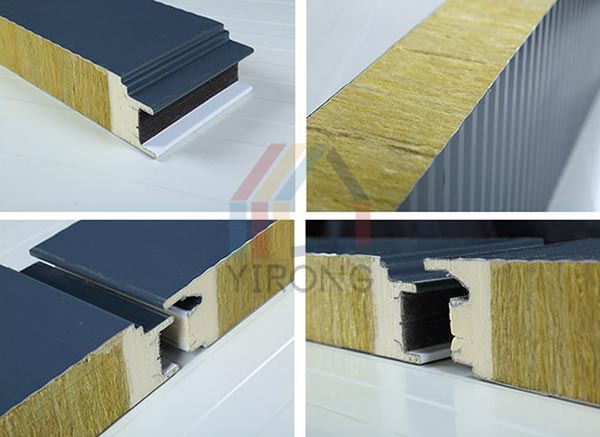
The complete set is provided overseas in one stop: including high-grade fireproof sandwich wall panels/roof panels, edge trims, fireproof sealant and high-strength fastening bolts, all accessories are CNC precision prefabricated in China and shipped together in the same container, enabling 100% bolt-fast installation on site, helping global customers build safe, durable and energy-efficient modern buildings.