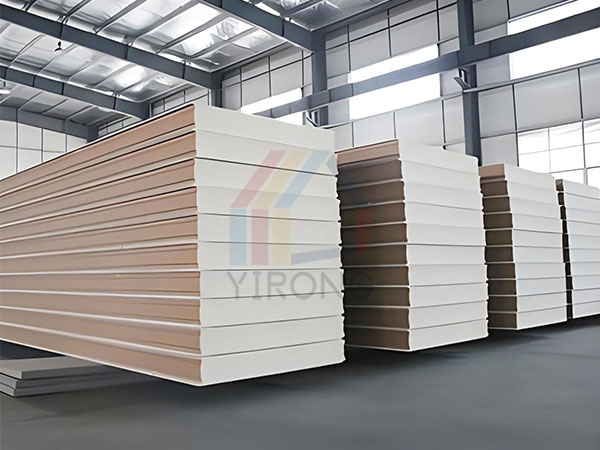
Zhengzhou, Henan Province, China
Now Contact: Do you need PU/EPS/Rock Wool sandwich panels?
Zhengzhou, Henan Province, China
Now Contact: Do you need PU/EPS/Rock Wool sandwich panels?
In the global trend of pursuing efficiency, environmental protection, and durability in the construction industry, metal composite panels (especially metal sandwich panels) are becoming the preferred material for residential, commercial, and industrial buildings due to their unique performance advantages. Whether it is resisting extreme weather, shortening construction periods, or achieving low-carbon and energy-saving goals, the application scenarios of metal sandwich panels are constantly expanding. This article will analyze the application scenarios of metal composite panels from a global perspective and delve into how metal composite panel can meet the core needs of housing construction in different regions.
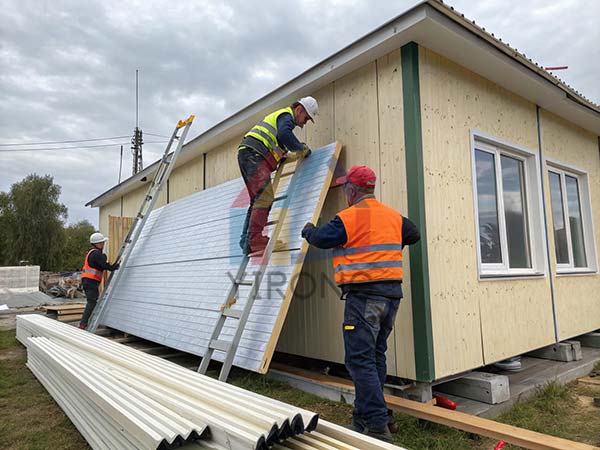
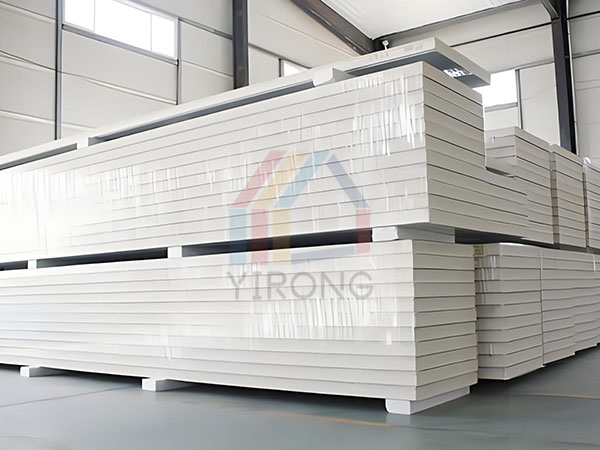
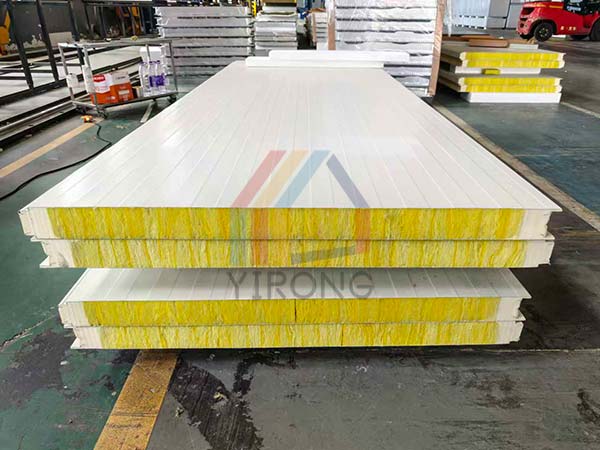
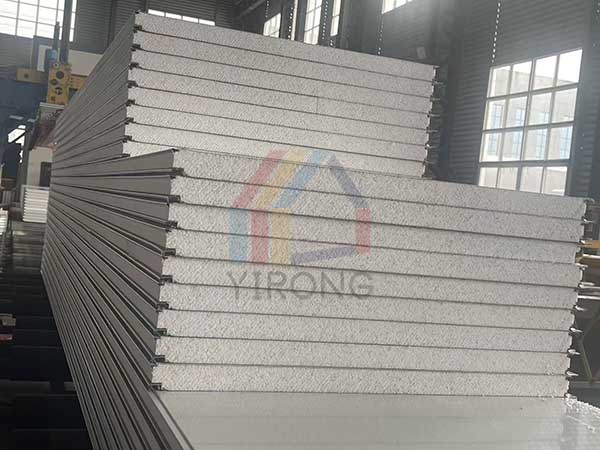
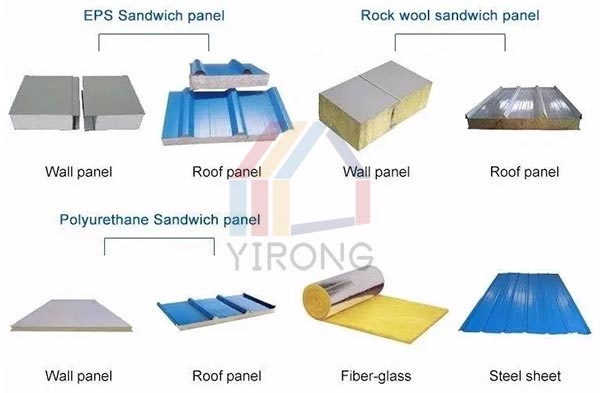
Metal composite panel is a high-performance building material composed of metal panels (such as galvanized steel, aluminum plates) and core materials (such as polyurethane, rock wool, polystyrene) through high-temperature and high-pressure composite. Its core value lies in combining the strength of metals with the functionality of core materials, forming an integrated solution that is lightweight, high-strength, insulated, fire-resistant, and moisture-proof.
1.1. Global climate adaptability
Cold regions (such as Northern Europe and Canada): Metal sandwich panels (such as polyurethane core materials) have a thermal conductivity as low as 0.022W/(m · K), and a thickness of 50mm can achieve the insulation effect of traditional brick walls, greatly reducing heating energy consumption.
Tropical/humid and hot regions (such as Southeast Asia and Africa): The surface of metal composite panels is coated with corrosion-resistant and UV resistant materials, and can be enhanced with rock wool core materials to improve the fire rating (Class A), meeting the needs of rainy season and hurricane prone environments.
Earthquake prone areas (such as Japan and South America): Lightweight metal sandwich panels (with a self weight of only 3-4kg/㎡) reduce foundation loads and achieve ± 8 degree seismic performance in conjunction with steel structure frames.
1.2. Core materials for sustainable buildings
The global carbon neutrality goal is driving the construction industry towards low-carbon transformation. The recycling rate of metal sandwich panels exceeds 90%, and the carbon emissions during the production process are lower than those of traditional concrete structures. For example, many European countries have mandated the use of energy-saving building materials in new residential buildings, and metal composite panels have become the preferred material recommended by policies due to their combination of insulation, sound insulation, and renewable characteristics.
As a sub category of metal composite panels, metal sandwich panels occupy an important position in the global housing market due to their modular and quick installation characteristics.
2.1. Dual breakthrough in functionality and economy
Integrated insulation and heat preservation: The closed cell structure of polyurethane sandwich panels (PIR) can effectively isolate cold and heat transfer, saving more than 40% energy compared to traditional wooden houses and reducing energy costs in the long run.
Fast construction to reduce costs: Modular sandwich panels use locking and splicing technology, without the need for secondary cutting, resulting in a 50% increase in construction efficiency compared to brick concrete structures and a 30% reduction in labor costs.
Long life and low maintenance: The combination of galvanized steel plate and anti-corrosion coating resists salt spray and rainwater erosion, suitable for seaside villas or high humidity areas, with a service life of over 25 years.
2.2. Diversified application scenarios
Post disaster reconstruction: In typhoon stricken areas in the Philippines and earthquake stricken areas in Türkiye, metal composite panel houses have become the first choice for temporary housing due to their rapid construction (24-hour housing) and strong disaster resistance.
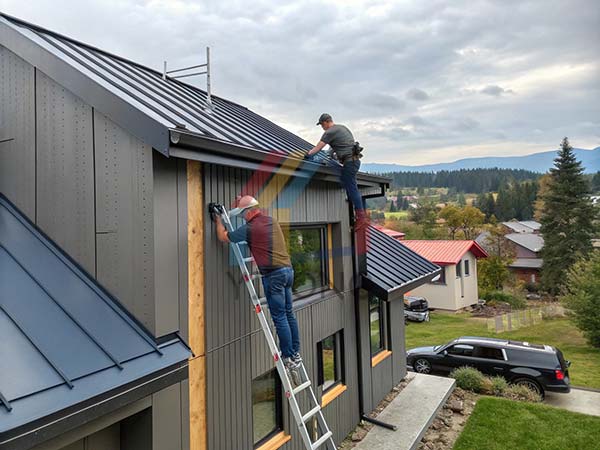
High end residential properties: In North American timber framed houses, metal sandwich panels are used for exterior walls and roofs, balancing aesthetics and functionality to meet the aesthetic needs of modern architecture.
Prefabricated building: In the European "zero energy residential" project, the combination of metal sandwich panel and BIM technology achieves full process digitization from design to installation.
Faced with a dazzling array of products in the global market, users need to consider climate, budget, and functional requirements comprehensively:
3.1. Select core materials according to climate
In high-altitude regions, polyurethane (PIR) sandwich panels are preferred for optimal insulation performance.
High temperature and dry areas: Rock wool sandwich panels combine fire prevention and sound absorption, suitable for desert or plateau residences.
Rainy and humid areas: Metal sandwich panels need to be paired with galvanized steel plates and polyurethane double-sided film to prevent moisture and mold.
3.2. Select structure by function
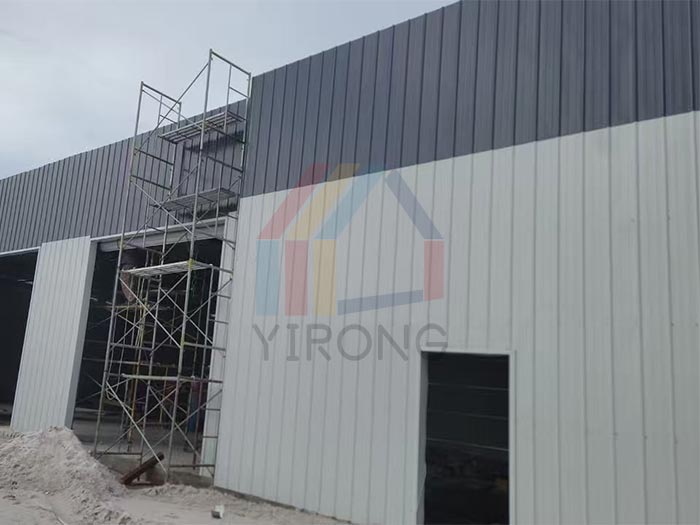
Roof and exterior walls: Select sandwich panels with a thickness of ≥ 50mm to ensure wind pressure resistance (≥ 3kPa) and snow load resistance.
Indoor partition wall: Lightweight rock wool sandwich panel (density ≥ 120kg/m ³) with sound insulation (STC ≥ 45dB) and environmental friendliness.
3.3. Identify international certifications
Choose products that have passed ISO 9001 quality system, ASTM E84 fire testing, or European CE certification to ensure performance and safety.
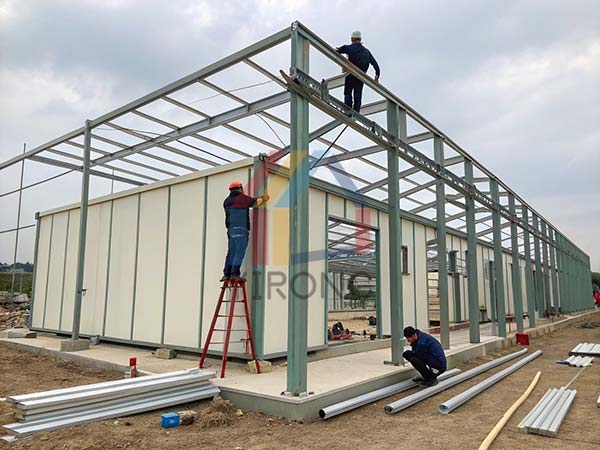
With the popularization of green building certifications such as LEED and BREEAM, the market size of metal composite panel continues to expand. According to Grand View Research, the global metal sandwich panel market is expected to reach $12 billion by 2030, with a compound annual growth rate of over 6%. In the emerging markets of Southeast Asia and the infrastructure boom in Africa, metal sandwich panels that combine cost-effectiveness and technological advantages will become the core competitiveness of Chinese enterprises going global.
Whether it's dealing with extreme weather, meeting low-carbon needs, or achieving efficient construction, metal composite panels are redefining the way modern houses are built. Choosing a suitable sandwich panel solution not only improves the performance of the house, but also represents a positive investment in a sustainable future.