Zhengzhou, Henan Province, China
Now Contact: Do you need PU/EPS/Rock Wool sandwich panels?
Zhengzhou, Henan Province, China
Now Contact: Do you need PU/EPS/Rock Wool sandwich panels?
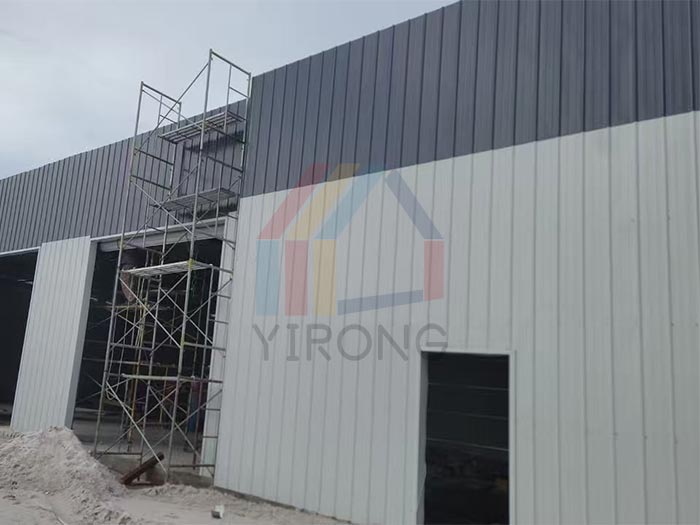
By improving building insulation performance, reducing energy consumption, enhancing airtightness, and extending building lifespan, PU insulation panels cladding systems can significantly reduce the energy demand of industrial plant during operation, thereby helping businesses reduce operational carbon emissions. Under suitable building design, local climate conditions, and operating methods, building energy consumption can be reduced by approximately 30%, thus reducing corresponding operational carbon emissions.
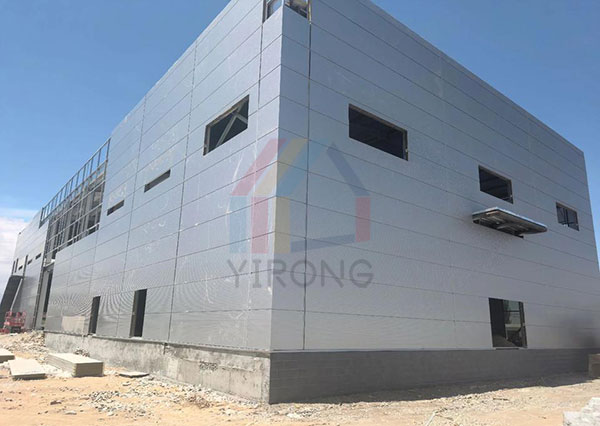
With the global push for dual-carbon initiatives and the development of green buildings, more and more companies are focusing on energy consumption throughout the entire building lifecycle. For industrial plant, air conditioning, refrigeration, heating, and ventilation systems typically account for a high proportion of energy consumption during the building's operation phase. Therefore, selecting high-performance cladding systems has become an important measure to reduce operating costs and carbon emissions.
The roof and walls of industrial plants are the main channels for heat exchange between indoors and outdoors.
If the building envelope has poor insulation performance, the following will occur:
* Significant loss of cooling capacity in summer;
* Rapid heat loss in winter;
* Prolonged operation of air conditioning and refrigeration equipment;
* Continuously increasing electricity consumption.
High-performance PU insulation panels can effectively reduce heat transfer and improve the overall energy efficiency of the building.
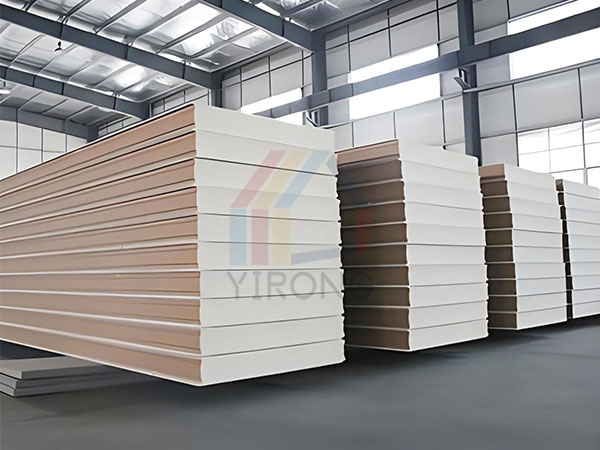
1. Excellent Thermal Insulation Performance
PU (polyurethane) has a low thermal conductivity, effectively blocking heat exchange between indoors and outdoors.
This means:
* Reduced heat entering the building in summer;
* Reduced heat loss from indoors in winter;
* Reduced operating time of air conditioning and heating equipment.
Lower building energy consumption means a reduction in indirect carbon emissions from power generation.
2. Improved Building Airtightness
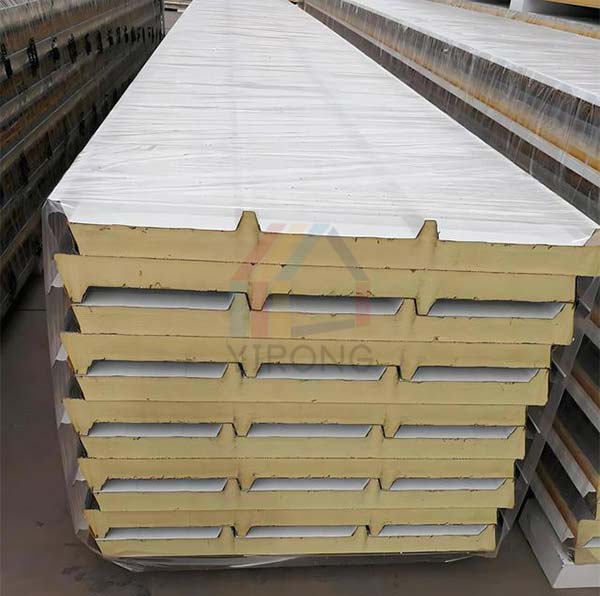
Modern PU insulation boards use a precision-locked edge structure, which effectively reduces air permeability.
Better airtightness means:
* Reduced exchange of hot and cold air;
* Improved indoor temperature stability;
* Reduced cooling and heating loads.
This is especially important for industrial buildings that operate at constant temperatures for extended periods.
3. Reduced Equipment Operating Costs
Buildings such as food processing plants, cold chain warehouses, and electronics manufacturing plants typically require air conditioning or refrigeration equipment to operate 24/7.
Using PU insulation panels can effectively reduce equipment load, helping businesses to:
* Reduce electricity consumption;
* Reduce operating costs;
* Improve equipment utilization efficiency.
In the long term, this not only saves on energy costs but also helps reduce carbon emissions during operation.
4. Extended Building Lifespan
High-quality PU insulation panels have excellent weather resistance, moisture resistance, and corrosion resistance.
A stable building envelope system reduces the frequency of maintenance, replacement, and renovation, thereby reducing resource consumption throughout the building's life cycle and supporting sustainable building practices.
PU insulation boards are widely used in:
* Steel structure industrial plants;
* Smart logistics warehouses;
* Cold chain logistics centers;
* Food processing plants;
* Pharmaceutical production workshops;
* Electronics manufacturing plants;
* New energy manufacturing bases;
* Commercial warehouse buildings.
For buildings requiring long-term indoor temperature control or year-round operation, their energy-saving effects are even more pronounced.
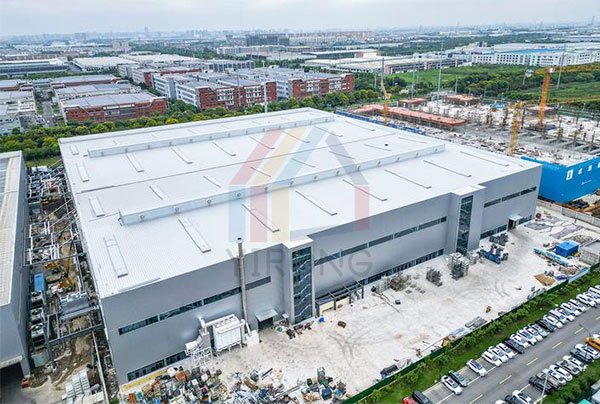
The global trend in industrial building development has shifted from meeting usage requirements to efficient operation.
More and more companies are focusing on:
Reducing energy costs;
Reducing carbon emissions;
Improving building energy efficiency;
Meeting green building standards;
Enhancing the company's sustainable development image.
PU insulation boards are not only a building envelope material, but also an important component helping companies reduce long-term operating costs and enhance the overall value of buildings.
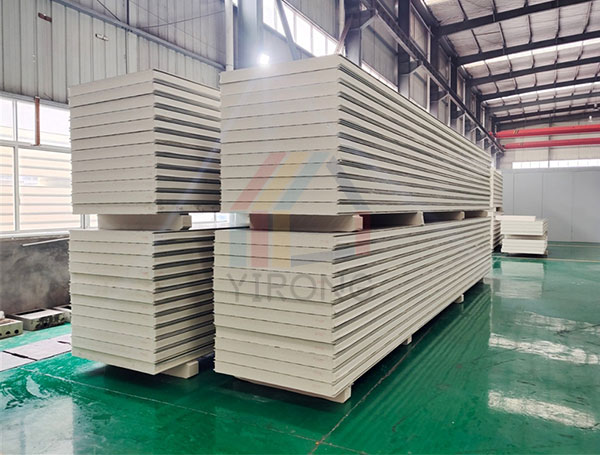
For modern industrial plants, the building envelope system not only affects the building's insulation performance, but also directly relates to the company's energy consumption and operating costs for decades to come. With its superior thermal insulation performance, excellent airtightness, and durability, PU insulation panels are becoming an important choice for energy-saving upgrades in industrial buildings worldwide.
As a professional supplier of steel structure buildings and enclosure systems, Yirong Group provides global customers with high-performance enclosure systems such as PU sandwich panels, PU-edged rock wool panels, and PIR sandwich panels. Combined with overall steel structure building design, we help customers create more energy-efficient, environmentally friendly, and highly efficient modern industrial plants, achieving long-term operational value and sustainable development goals.