Zhengzhou, Henan Province, China
Now Contact: Do you need PU/EPS/Rock Wool sandwich panels?
Zhengzhou, Henan Province, China
Now Contact: Do you need PU/EPS/Rock Wool sandwich panels?
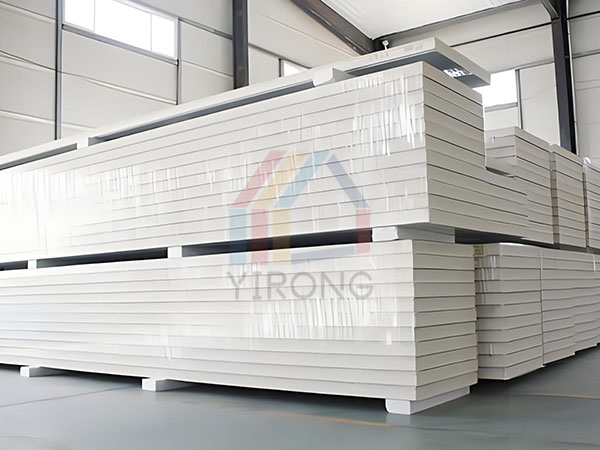
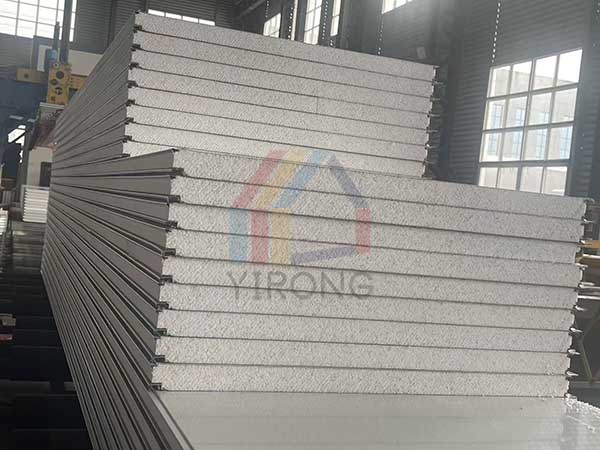
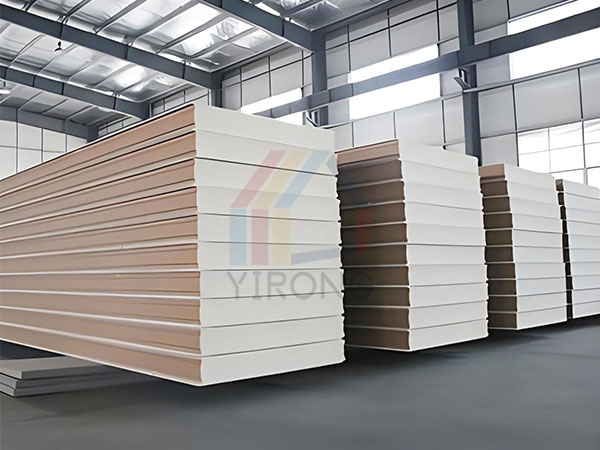
In the wave of the construction industry pursuing green and industrial transformation, polystyrene wall panels (EPS/XPS wall panels) are becoming the preferred material for modern building envelopes with their unique technical advantages. This new type of board, which uses polystyrene resin as its core raw material, forms a uniform closed-cell structure through the foaming process. It has shown revolutionary breakthroughs in thermal insulation, construction efficiency, cost control, etc., and is reshaping the application pattern of building exterior wall systems.

1. Excellent thermal performance
The foam structure with a closed cell ratio of more than 95% gives the board super thermal insulation capabilities, with a thermal conductivity as low as 0.032-0.041W/(m·K), which is equivalent to 20 times the thermal insulation effect of traditional brick walls. In a passive ultra-low energy building project in Iceland, the exterior wall system using 120mm thick XPS wall panels reduced heating energy consumption by 72% in winter, and indoor temperature fluctuations were controlled within ±2°C.
2. Revolutionary construction efficiency
Standardized wall panels are manufactured in factory prefabricated and on-site assembly modes. The maximum size of a single panel can reach 3m×1.2m, and the weight is only 1/15 of a concrete panel of the same area. The Beijing Daxing International Airport supporting apartment project adopts dry construction, and the wall installation speed reaches 80㎡/working day, which is 6 times more efficient than traditional masonry technology and shortens the construction period by 40%.
3. Multi-dimensional economy
The comprehensive cost is 25%-35% lower than that of traditional masonry structures, of which material costs are saved by 15% and labor costs are reduced by 60%. Calculations for a resort project in Costa Rica show that using polystyrene wall panels can reduce construction costs by US$25 per square meter and reduce construction waste emissions by 85%.
4. Sustainable building solutions
More than 30% recycled materials can be added during the production process, and the product service life exceeds 50 years. Certification data from the German Passive House Institute shows that each cubic meter of EPS wall panels can reduce 2.1 tons of CO₂ equivalent emissions, and the full life cycle carbon footprint is 68% lower than that of clay bricks.
5. Flexible function expandability
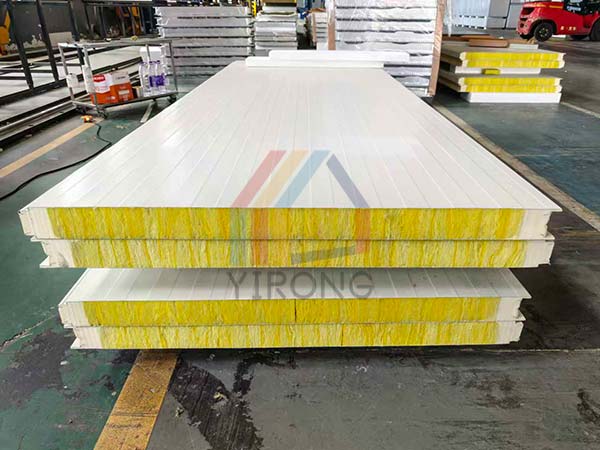
The surface can be compounded with cement fiber board, metal carved board and other decorative materials, and the built-in pipeline channel design eliminates the need for grooves during later decoration. A prefabricated building demonstration project in Shenzhen uses sandwich insulation wall panels to integrate building insulation and structure, and the seismic fortification intensity is increased to 8 degrees.

1. A new benchmark for green buildings
In the field of ultra-low energy consumption buildings, polystyrene wall panels, air-tight doors and windows, and heat recovery fresh air systems form a golden combination. A near-zero energy consumption office building project in the Philippines uses 200mm thick graphite polystyrene board exterior walls, combined with photovoltaic curtain walls, to achieve a comprehensive building energy saving rate of 82% and obtain LEED Platinum certification.
2. Rapid response to emergency projects
Its modular nature makes it play a key role in post-disaster reconstruction. Prefabricated polystyrene wall panels were used to build temporary resettlement houses in the earthquake-stricken areas of Türkiye. The construction of 500 houses was completed within 72 hours. The wind pressure resistance of the walls reached the level 9 intensity standard.
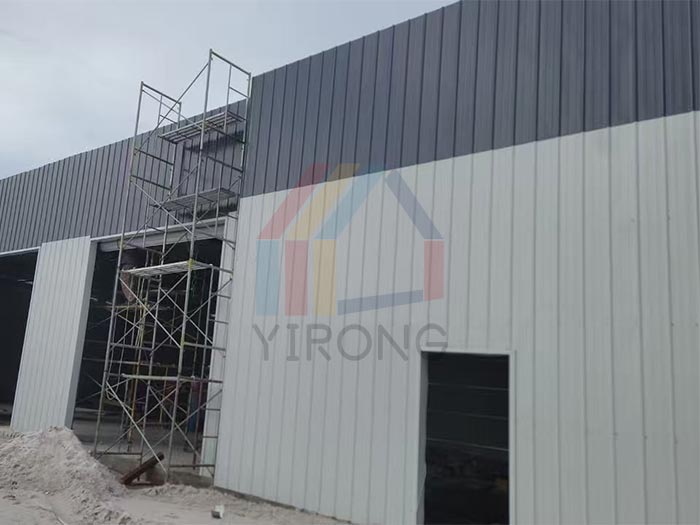
3. Functional upgrade of industrial buildings
In the construction of cold storage, XPS wall panels have become the preferred insulation material due to their dimensional stability at low temperatures of -196°C. A cold chain logistics center in the Dominican Republic uses 150mm thick wall panels, and the temperature difference in the warehouse is controlled at ±0.5°C, reducing energy consumption by 18% compared with traditional polyurethane spraying.
4. A tool for building renovation
In the elevator installation project of an old building, lightweight wall panels can reduce the load impact on the original structure. A renovation project in a historic district in Hangzhou, China, uses thin-plaster polystyrene wall panel external insulation system to achieve the goal of building energy-saving renovation without destroying the original blue brick facade.
5. Adaptability to special environments
Its resistance to salt spray corrosion makes it an ideal choice for coastal buildings. A coastal resort hotel project in Fiji uses fluorocarbon-coated polystyrene wall panels, which have maintained a good appearance after 10 years of typhoon season testing. In plateau areas, its low thermal conductivity effectively alleviates wall cracking problems caused by temperature differences between day and night.

The industry is currently developing in the direction of multi-functional composites. Phase-change energy storage wall panels can store solar radiation heat during the day and release it at night to balance indoor temperature fluctuations. The thermal conductivity of the graphene-modified polystyrene board is reduced to 0.028W/(m·K), and the fire protection level is increased to B1 level. The intelligent sensing wall panel has a built-in temperature and humidity sensor to monitor building energy consumption data in real time.
In the context of the era of carbon neutrality, polystyrene wall panels have become an important carrier to promote the transformation and upgrading of the construction industry due to their technological advancement and universal application. From passive houses in cold zones to ecological buildings in tropical countries, from urban complexes to rural residences, this lightweight, energy-saving material is redefining the harmonious relationship between people and buildings in diverse forms. In the future, with continued breakthroughs in material science, polystyrene wall panels will play an even more important role in the construction of low-carbon cities around the world.